15 December 2025
Ben MacEllen - ‘Telling Stories that hold us together.’
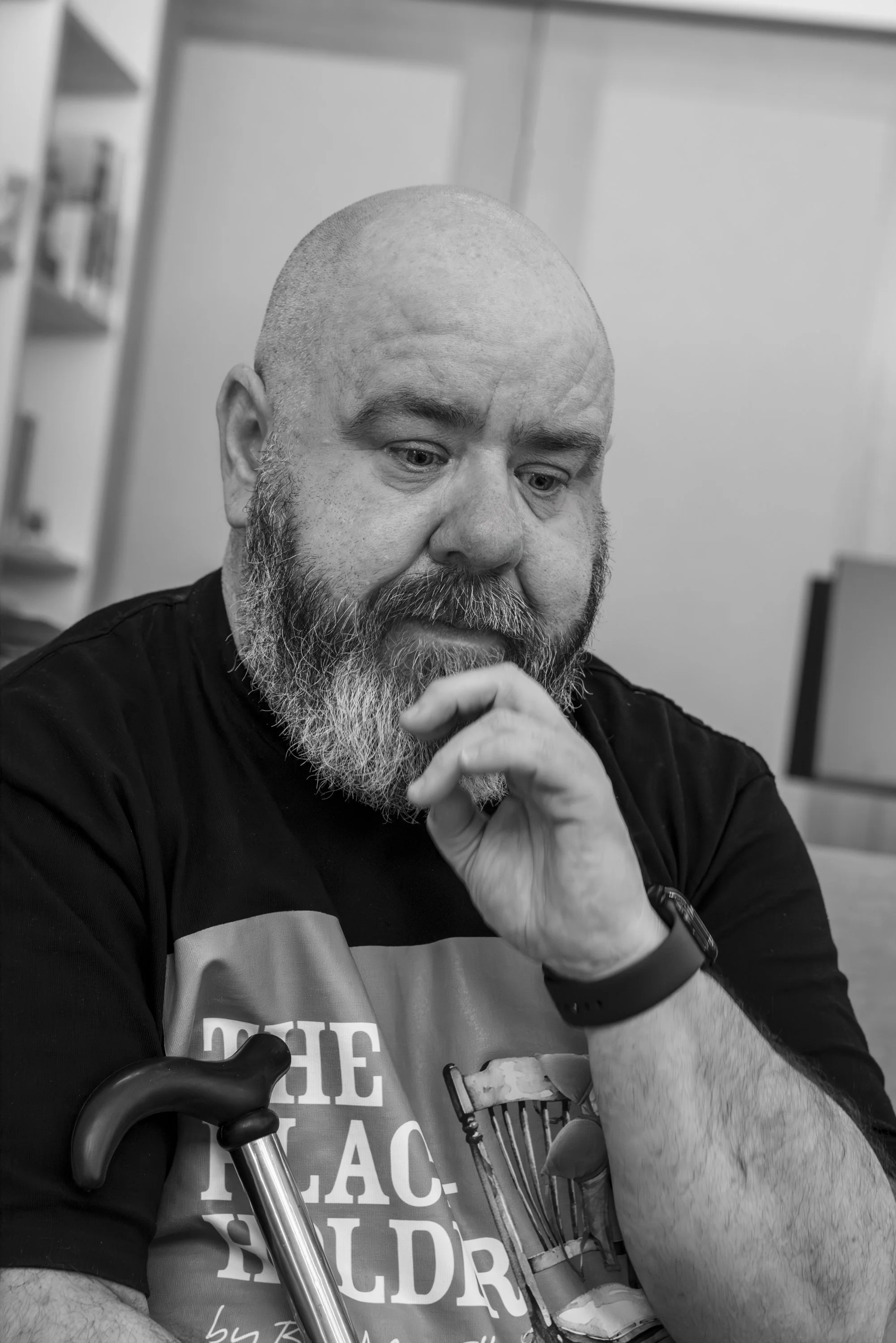
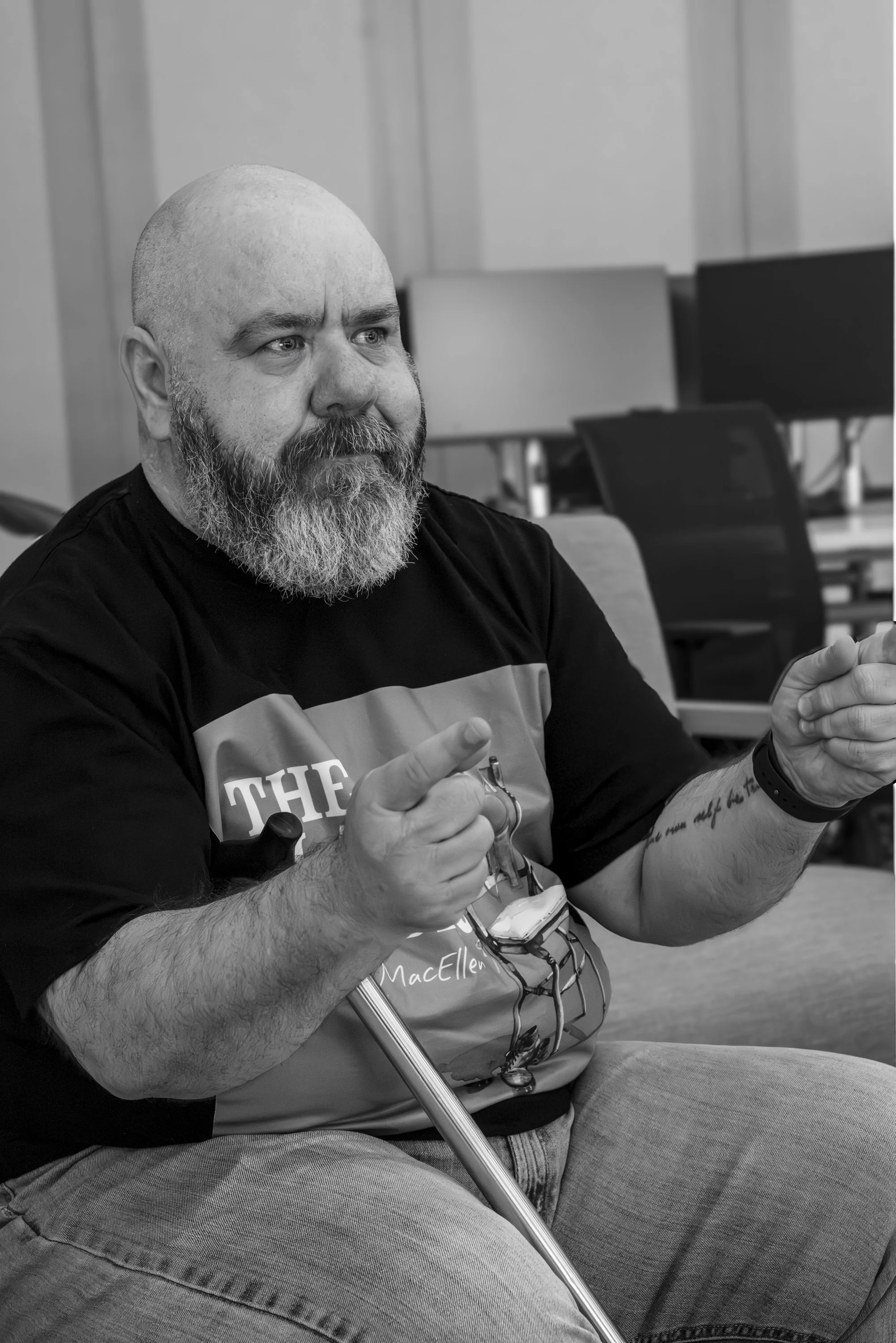
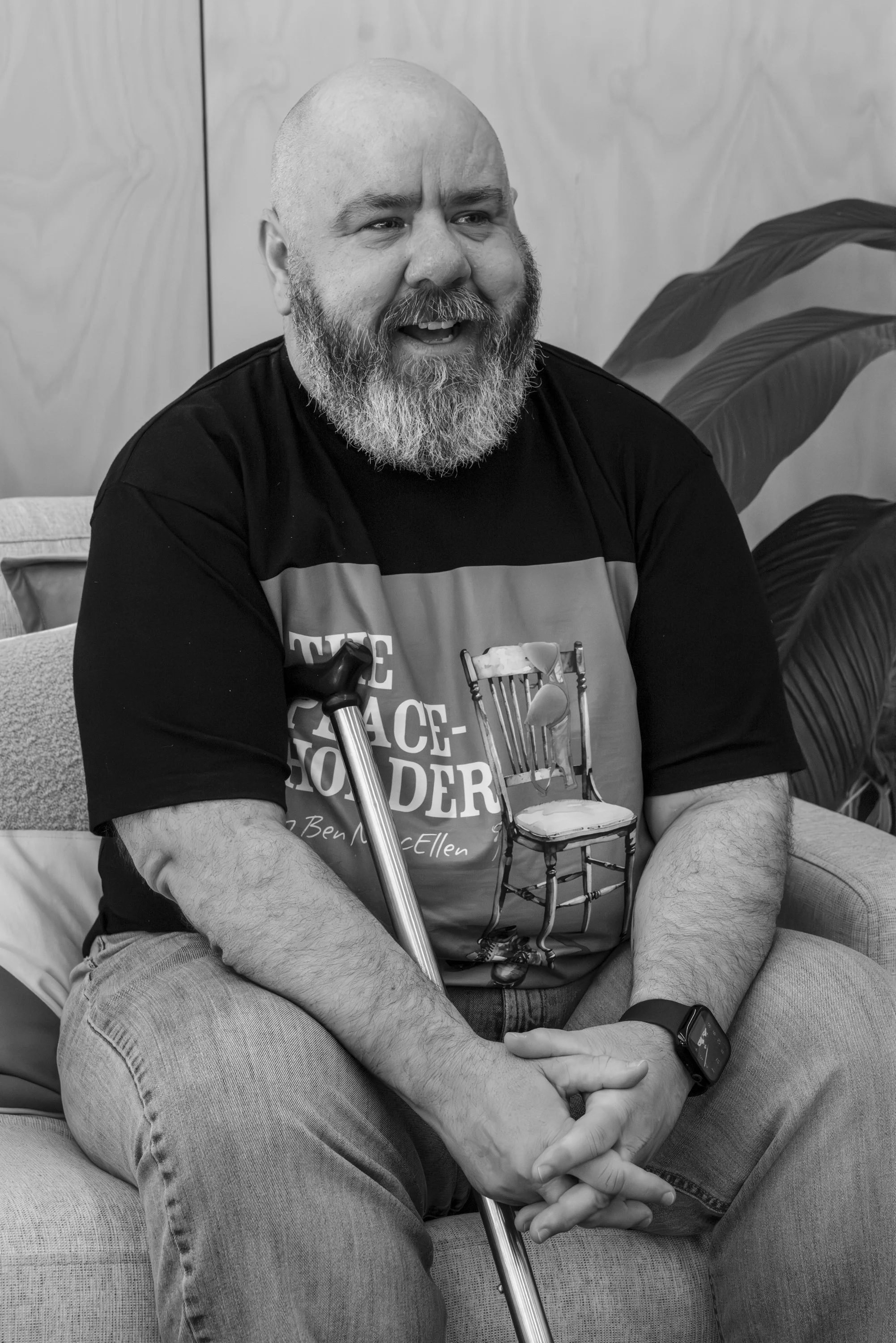
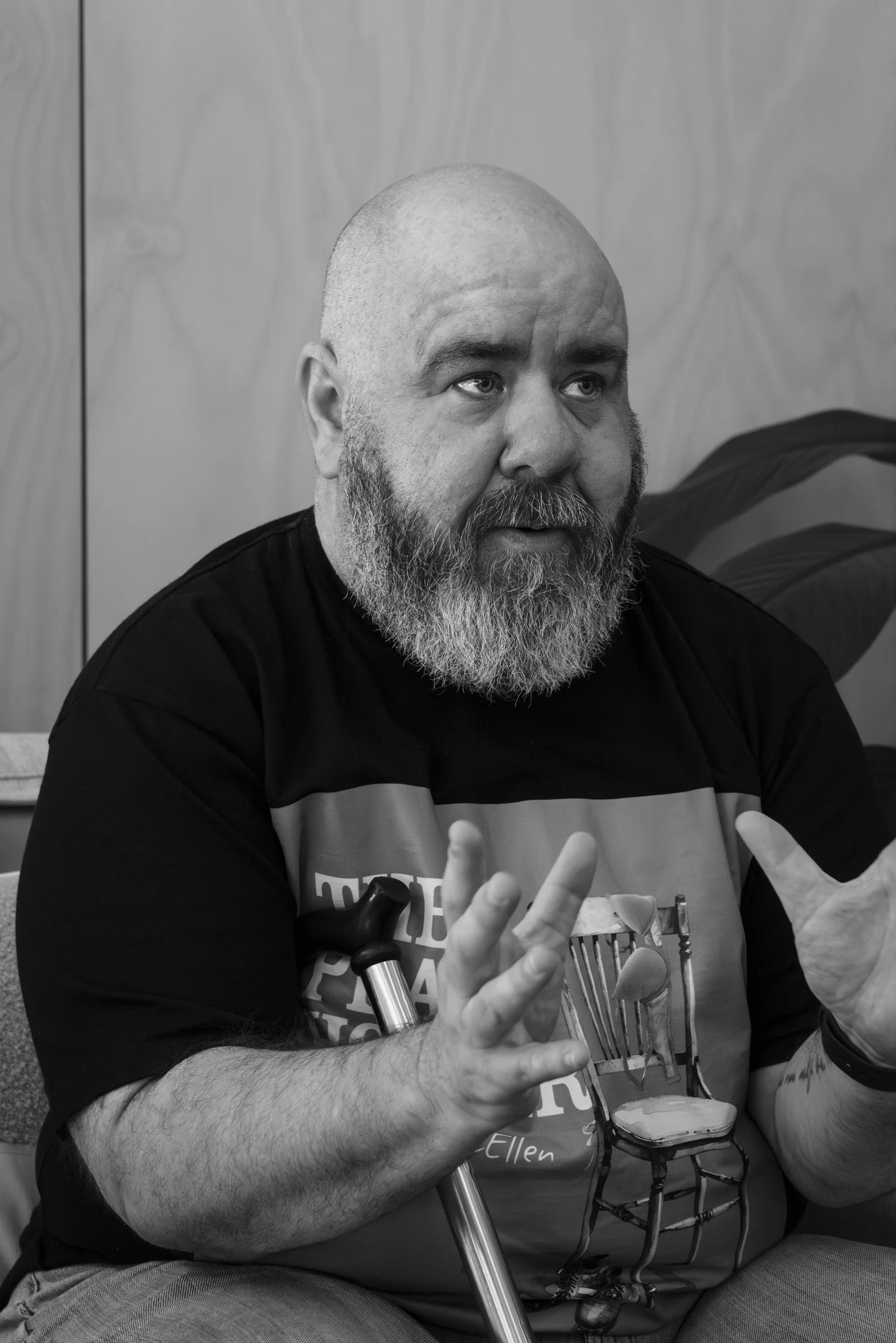
Over the past few months I’ve been working on something a little different for my Capturing Courage Photographic and blog Series. A longer, more layered portrait that unfolds across time rather than a single post. And to honour the writer - more about words than just image. The series is about playwright Ben MacEllen and this is Part One.
Walking into a room with Ben MacEllen feels a bit like stepping in from the cold and into a quiet library. The kind where warmth settles around you before you’ve even removed your coat. The space becomes still, welcoming, and gently charged, as if something meaningful is waiting just beneath the surface if you take the time to linger. Ben has that rare presence. He met my questions with a soft smile, an unguarded honesty, and the unmistakable spark of someone who has spent a lifetime learning how to tell stories that matter.
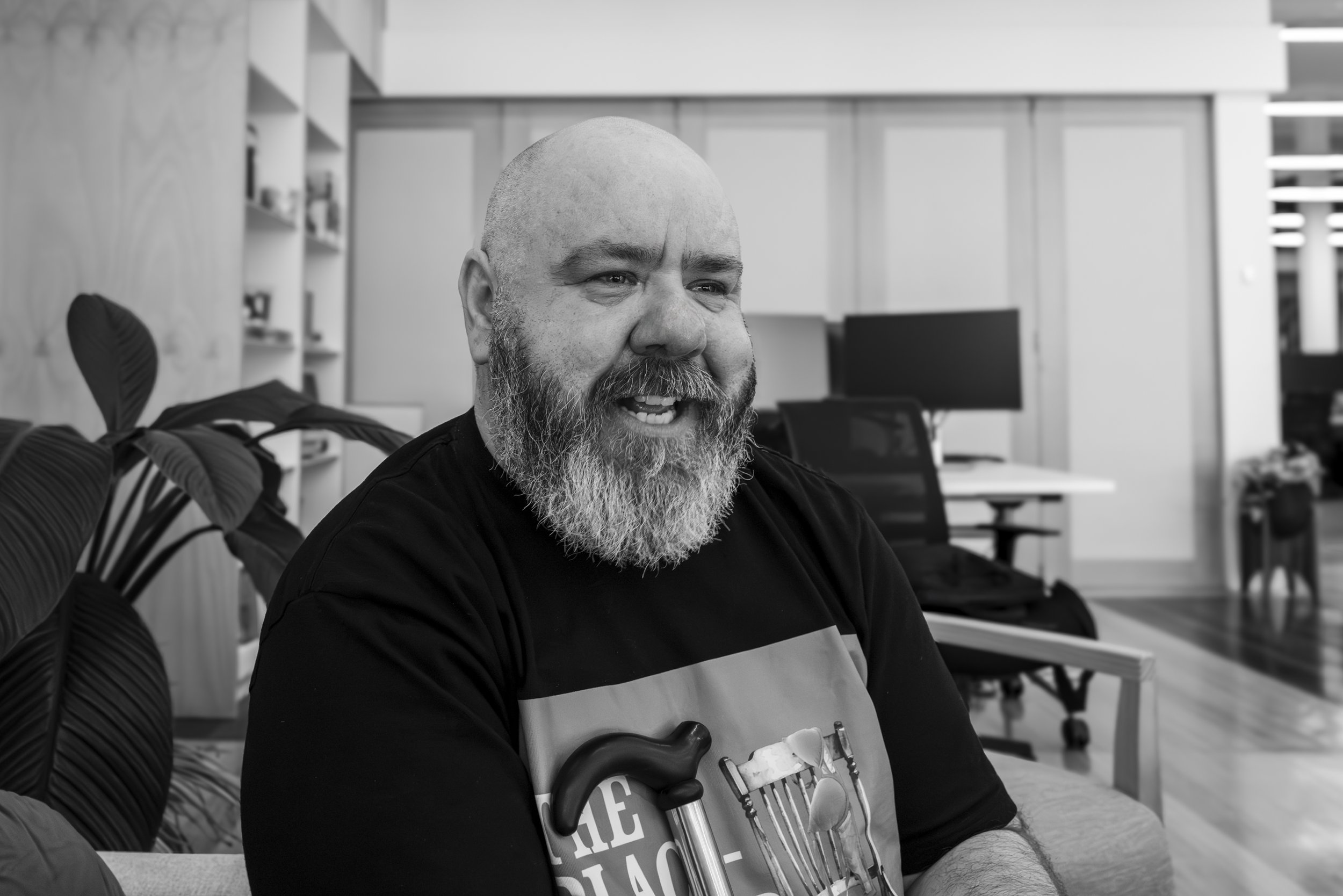
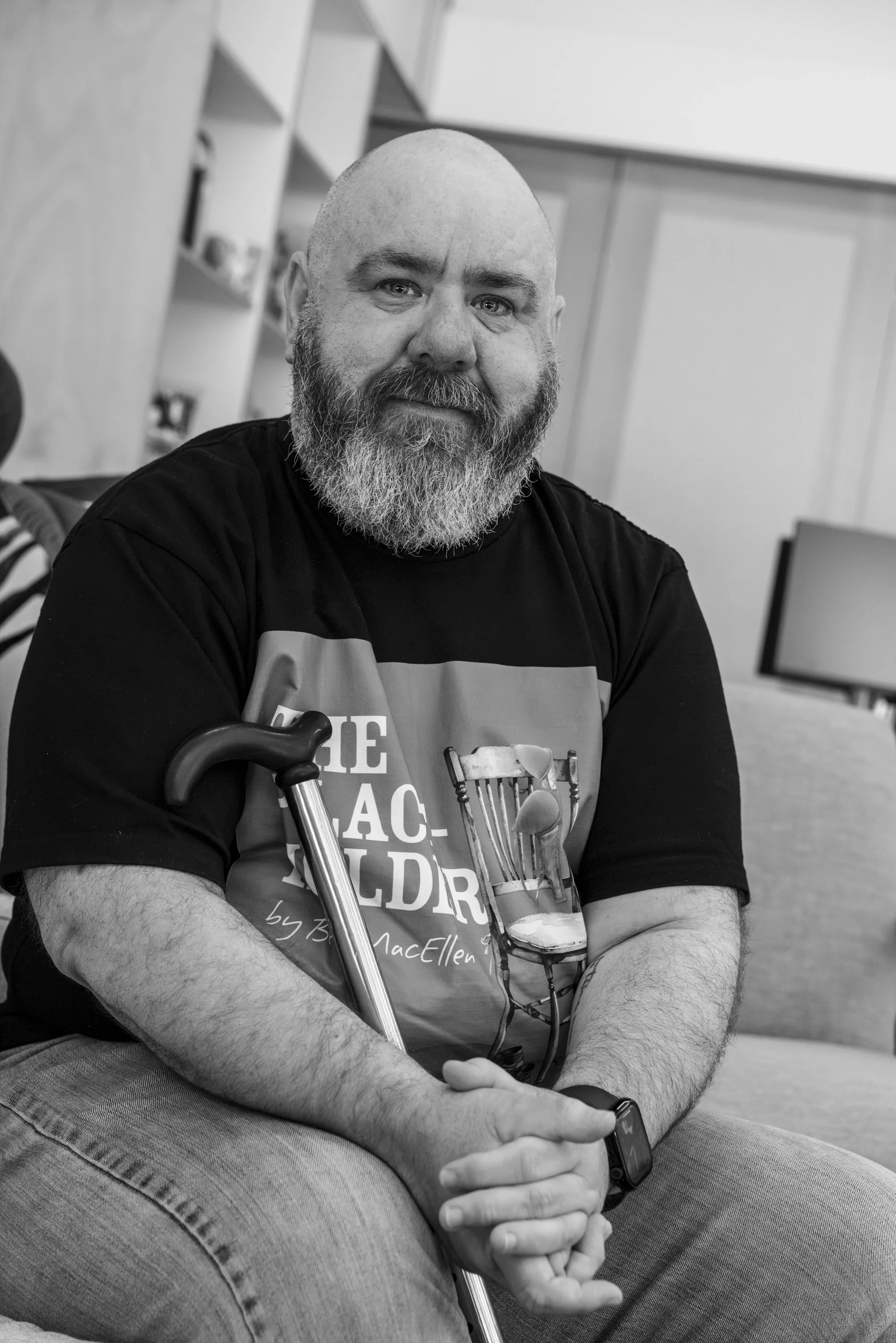
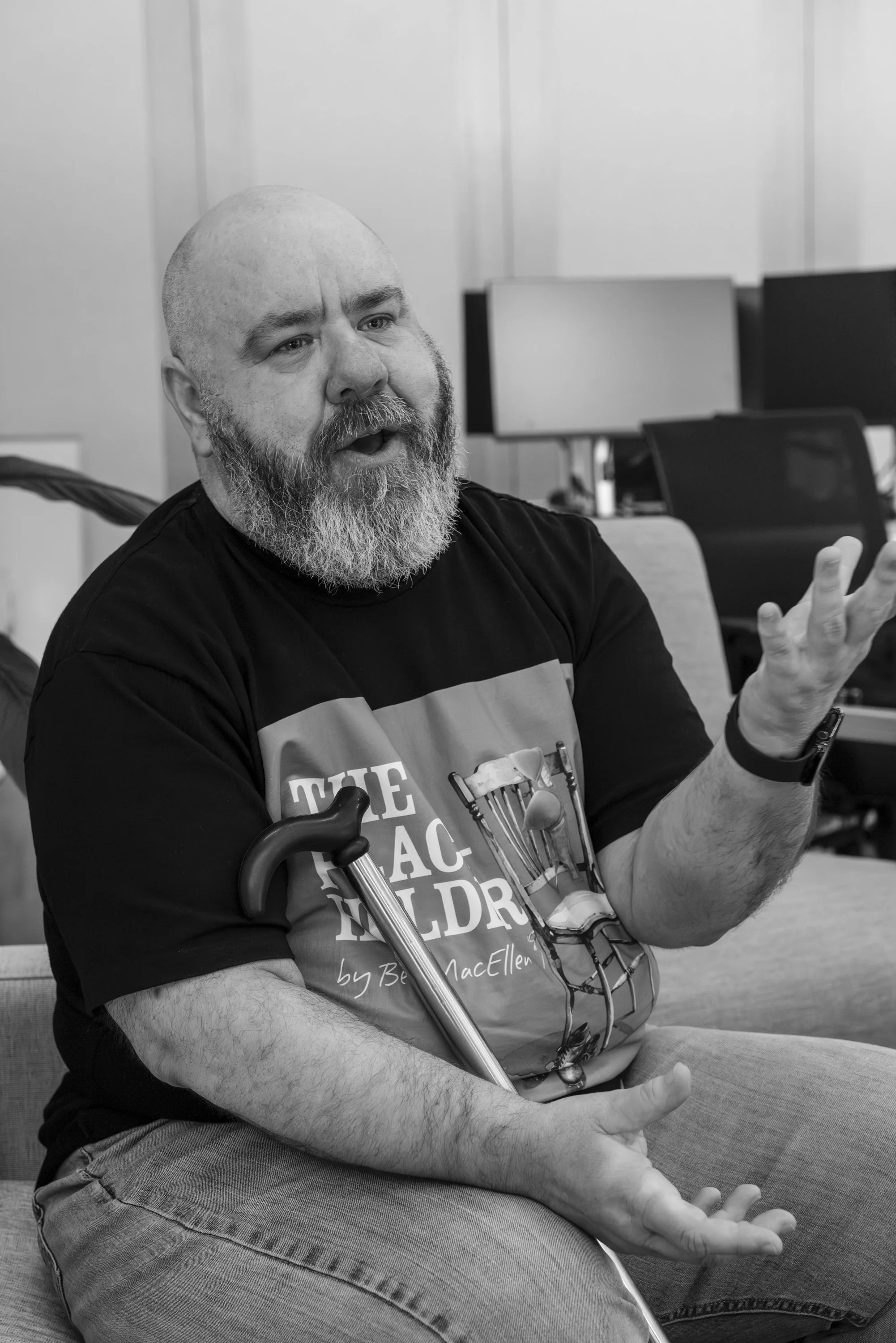
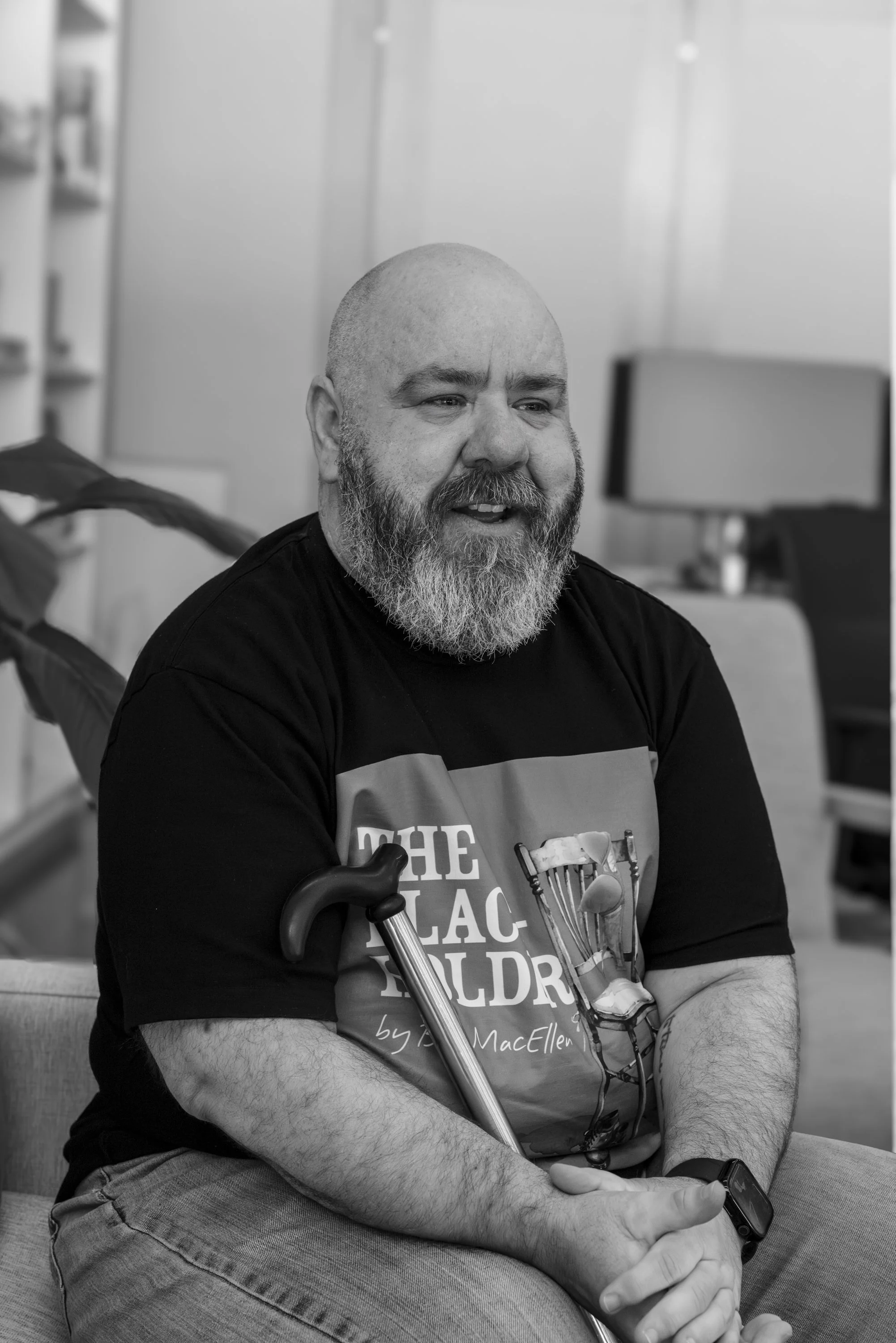
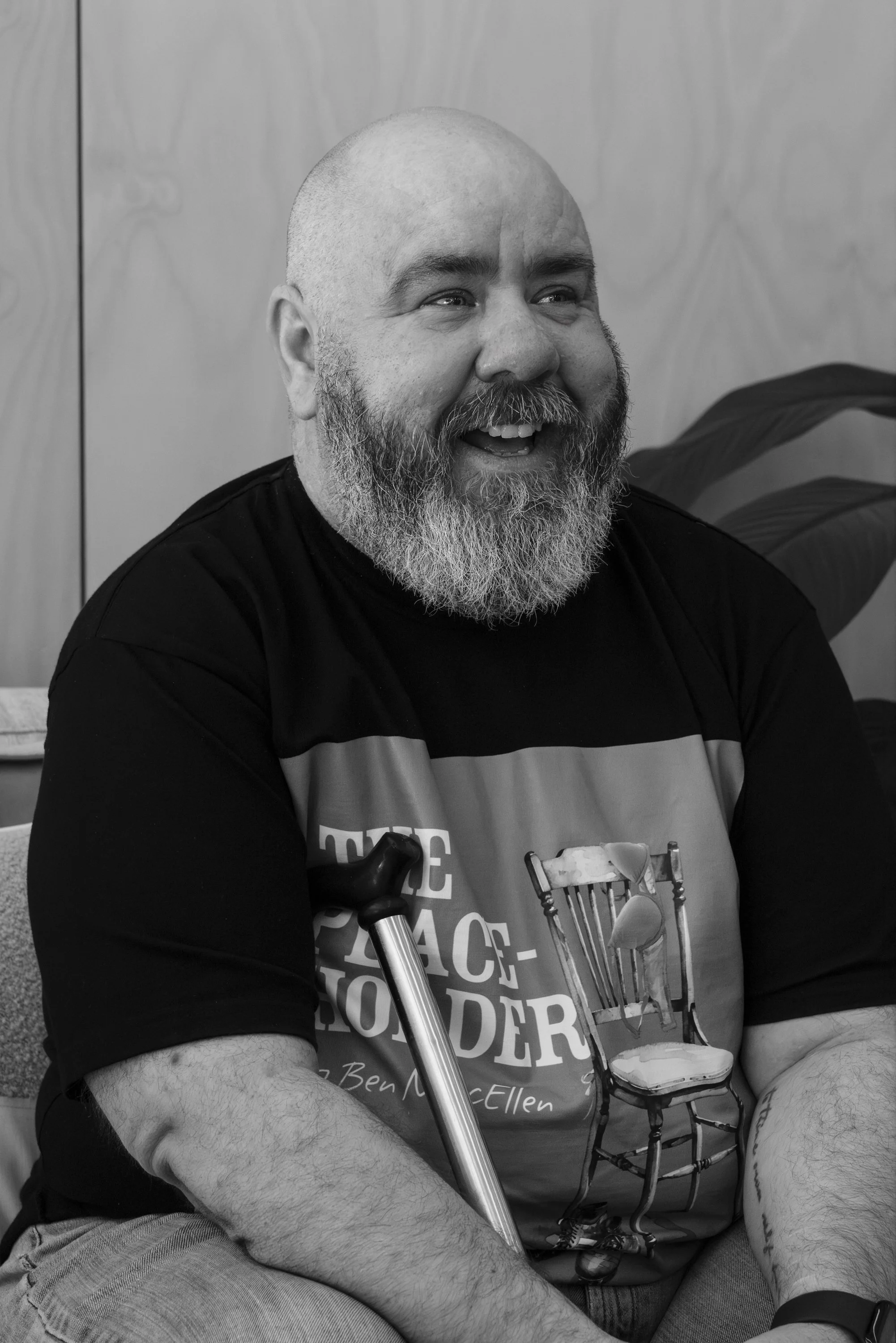
Ben is so captivating that I almost forgot to bring out the camera. For once I put the ever-prevalent photographer aside for a while and just absorbed the words as they flowed. Of course, the visual director in me is always watching for signs, even when I’m not looking through the lens’. There’s the unmistakable softness around his eyes when he’s speaking about the people who shaped him. There’s the steadiness of a man who has lived a big life in a regional town that hasn’t always known what to do with him. And there’s that cane tucked under his arm, present but unperformed, a quiet nod to the reality of living with Myalgic Encephalomyelitis / Chronic Fatigue Syndrome (ME/CFS).
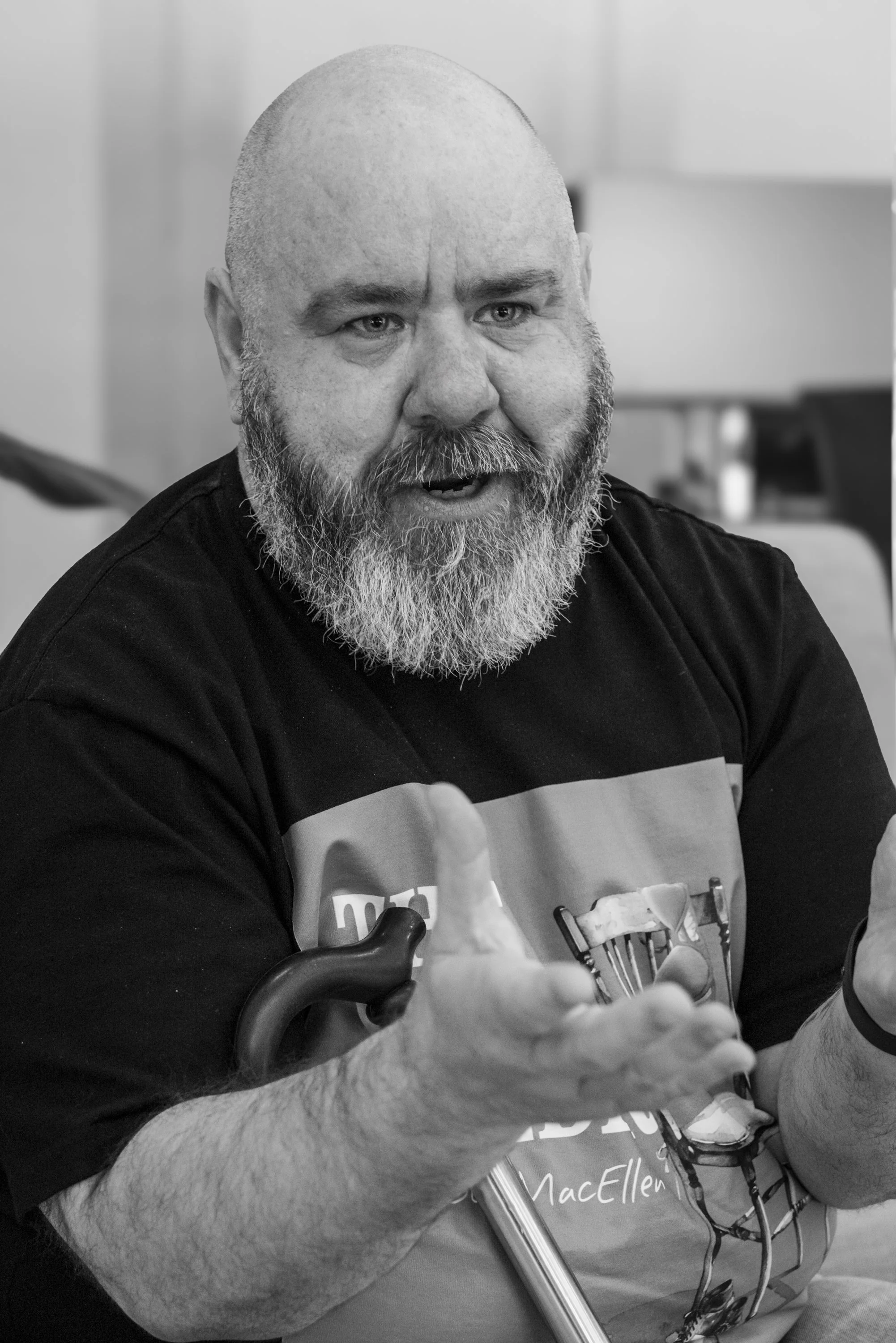
But if the eventual photos only captured the surface, the conversation revealed the depth. For once this episode in our Capturing Courage PRIDE Series is more about the conversation we shared than the pictures (and that’s saying a lot from a lifelong lover of photography).
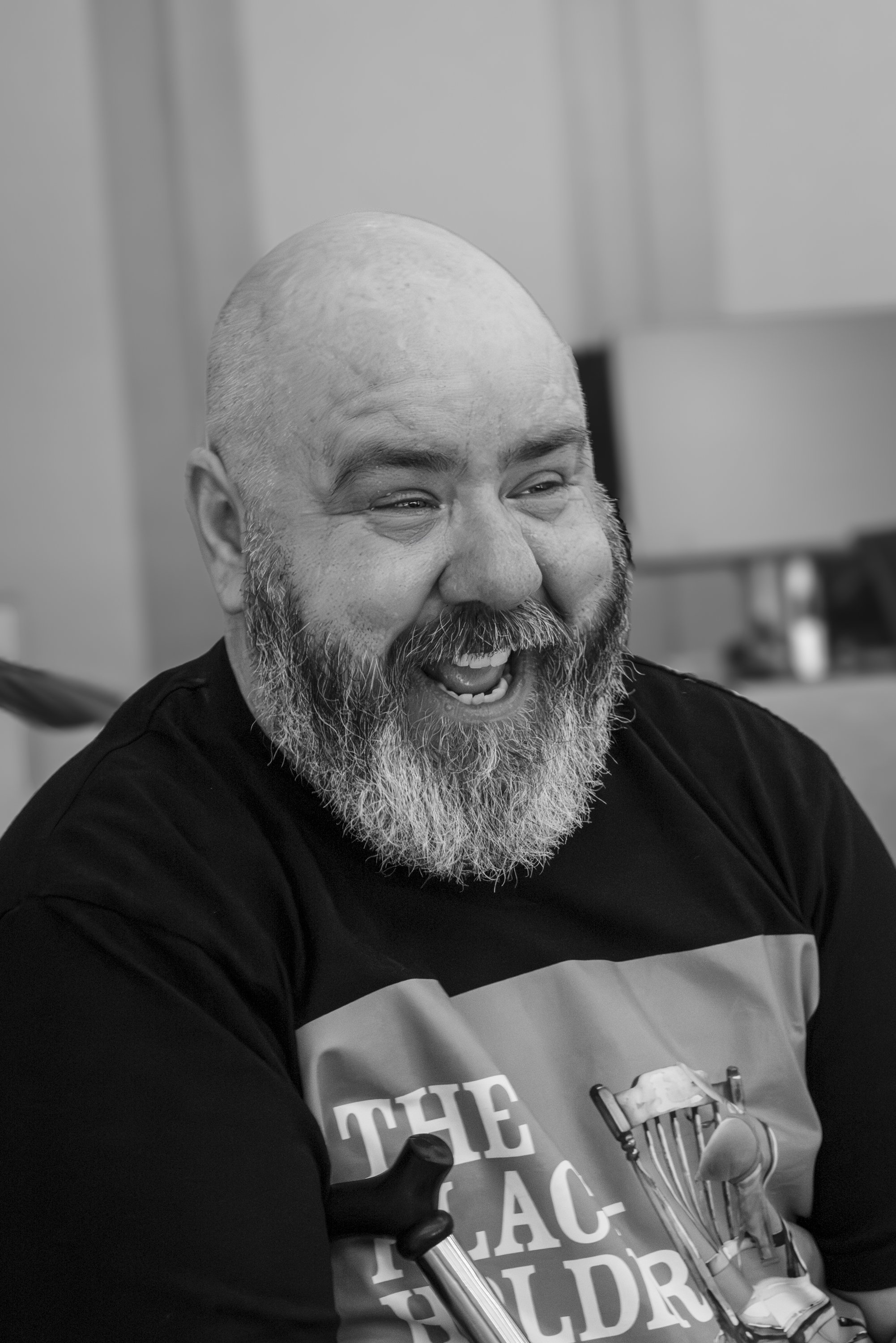
There’s a moment in some conversation’s where the air seems to shift. Not dramatically, but with the quiet clarity of someone opening a door that has been closed for a long time. When Ben speaks about his life before transitioning, he does so with curiosity, and a kind of retrospective tenderness for the child he once was.
Ben grew up in Bendigo, then Albury, and Melbourne, moving through the world with a sense that something wasn’t fitting. Some of the earliest feelings came disguised as childhood “crushes.” Not romantic. Not sexual. Instead, he described them as fairy-tale moments where he wanted to play the prince - bringing flowers, offering gestures, wanting simply to be seen. At home and at school he often felt invisible, and so he gravitated toward women, especially older women, who noticed him, who acknowledged something true in him even if they didn’t know what that was. Being seen, he said, felt like oxygen.
School in Melbourne was a shock. At Mentone Girls’ High, he was placed in a world that didn’t fit him, socially, emotionally, or physically. Creativity became a lifeline. Drama, music, and writing provided a small portal where he could exist without constraint. He still has stories and short plays he wrote at just seven or eight years old. Tiny handwritten plays, stories, and lyrics that offered the kind of visibility he couldn’t always find in the real world. Proof that long before he knew he was a playwright, he was already one.
Identity is never a single note for Ben. It’s a chord, shaped by history, language, and the shifting ways people read him. In our conversation, he spoke about how liberating it was to finally inhabit himself as a man, but also how complicated visibility can become when different parts of his identity are recognised unevenly.
“I struggled with being seen as gay and trans at the same time,” he explained. “It feels like one gets cancelled out for the other.” That tension wasn’t framed as bitterness - more a gentle truth about how our communities, even our queer communities, still sometimes flatten people into categories that often don’t leave room for complexity. For Ben, being seen fully means acknowledging the life he lived before transition, the man he is now, and the queer relationships and experiences that have always shaped him. It’s not about choosing one version. It’s about holding all of them at once.
When Ben transitioned at 33, he found language for a self he had always carried. But he also carried the old life with him. Not in a nostalgic way, but in the sense that he had lived on both sides of society’s gendered expectations. “It became important that despite wanting to be seen as a man, people also understood I had lived, been conditioned and educated as female. That perspective doesn’t disappear.”
These experience’s sit quietly underneath his work, a kind of layered vision that lets him write characters with nuance, tension, and compassion.
As a disabled playwright and regional artist, Ben also speaks with real clarity about the importance of community, mentorship, and belonging. The Midsumma Pathways Mentorship program for LGBTQIA+ disabled artists, which is where I first met Ben back in the early 2020’s, was, he says, life-changing. An experience that helped him see himself not only as an artist but as a disabled artist whose creativity doesn’t cancel out his access needs.
In our interview, he laughed often. He almost cried once. And he spoke about the complexities of being seen in a country town where anonymity is impossible and history clings to you in ways that can feel both comforting and suffocating. He talked about the fear that still flickers when he and his partner walk down the street. “We’d love to walk down the street holding hands, but we still don’t know if we’d be targets. Young people do it now with such ease. That gives me hope.” He says quietly.
I asked Ben about the influence of the person who has been Ben’s mentor since the start of his Pathways program days, acclaimed actor, screenwriter, producer and director Kate Mulvany OAM. When her name entered the conversation, his whole posture lightened - not with sentimentality, but with the gratitude of someone who knows he’s been profoundly, unexpectedly supported. To Ben, Kate is not just a mentor; she’s a storm of generosity, insight, and unwavering belief. “I pinch myself every day,” he admitted, marvelling at the sheer luck of being guided by someone who meets him exactly where he is. What moved him most wasn’t her accolades or status, but the way she insisted on treating him as a peer - using his own language, honouring his instincts, and handing him confidence piece by piece. Kate, for him, is the kind of mentor who doesn’t stand above, but beside, and her presence in his life is less about formal guidance and more about being truly seen by another artist: gently, fiercely, and without condition.
Ben carries humour the way some people carry light. Not as a shield, but as a soft lantern he lifts up between himself and the world. In speaking with him, it became clear that comedy isn’t an afterthought in his storytelling; it’s the architecture that lets deeper truths unfold. He talked about humour as a way of disarming people, of making them comfortable enough to hear the truth. But it’s more than strategy. It’s connection. It’s community. It’s that moment when a room breathes in and out together. A shared laugh that softens the ground beneath harder conversations. “When you laugh with someone,” he told me, “you’re not far from crying with them.” And in his work, as in his life, those two states sit close enough to touch.
Most of all, Ben talked about storytelling. For Ben, writing isn’t a hobby, it’s how he stays alive, connected, and part of the world. His plays become children of a kind, carrying pieces of him into rooms he might not otherwise enter. And as his latest work The Placeholder moves toward the stage, he’s handing that child over to audiences with a mix of pride, terror, and delight.
Although The Placeholder, will take centre stage in a separate article, it’s impossible not to acknowledge its significance here. This work is Ben’s love letter to the women who held space for him as he became himself, and a bold exploration of friendship, identity, and transition in a regional town where histories linger and community is both anchor and pressure. It’s a deeply funny, tender, and clear-eyed play that asks audiences to see themselves in its characters, and, in doing so, to see the humanity of trans lives with greater care. If Ben’s writing is his legacy, The Placeholder is its heartbeat.
For Ben, The Placeholder isn’t designed to convert the immovable or to wage war against people determined not to listen. He knows there are minds that won’t shift - not yet, maybe not ever, and he’s made peace with that truth. Instead, he writes for those standing at the threshold. People who are curious but unsure, compassionate yet without firsthand personal relationships that help bring clarity and understanding. The sort of people whose assumptions come not from malice, but simply from a lack of personal connection.
What he hopes is simple and profoundly human, that audiences might recognise something of themselves in the characters onstage, and in doing so, allow empathy to slip in through the side door. He wants them to leave with softened edges; perhaps a little more courage to stand beside trans and gender diverse people and a willingness to do so if required around others in their own lives. If he can open a single window in someone’s understanding, give them a new way to see a neighbour, a colleague, a stranger, then the play has already done its work. Because The Placeholder isn’t an argument. It’s an invitation. And Ben hopes people will accept it.
The image that stays with me from our chat is a man who has lived a life of self-interrogation, transition, humour, and resilience. Someone who is joyfully, and quietly certain of who he is.
I hope I captured this in my pictures of him (when I finally did raise my camera lens). And if there’s one thread that runs through every minute we spoke, it’s that visibility isn’t about being looked at. It’s about being known.
And Ben, in his work, offers that knowing to others with remarkable generosity.
The Placeholder by Ben MacEllen, premieres at fortyfivedownstairs, Melbourne, from 27 January to 8 February 2026, Presented by Midsumma Festival.